ANATOMICAL COLLECTIONS
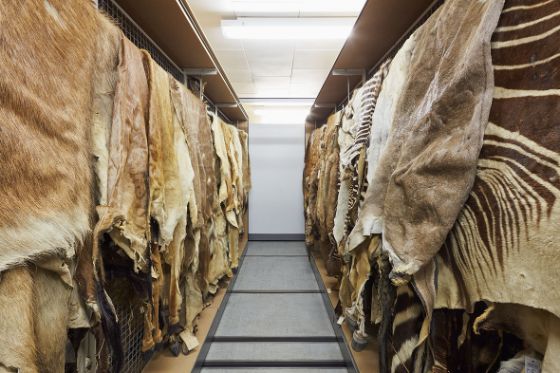
The first foundations of the anthropological collection were laid back in the 19th century by prominent researchers such as Wilhelm His, Ludwig Rütimeyer and Julius Kollmann. This collection was primarily used for anatomy comparison purposes.
Natural scientists and anatomists such as His, Rütimeyer and Kollmann were interested in the shape diversity of the human skeleton. They were particularly interested in the skull being the bearer of an individual's personality. The aim was to describe the appearance and particular characteristics of all of the world's population groups. This scientific approach was perverted by colonial and national socialist ideology. After 1945, however, anthropology came to accept what genetics later confirmed: “race” is not a biological reality. Human diversity is continuous and cannot be divided into clearly defined groups.